Best Mom in the World SVG: An Embroidery Review
As a professional embroidery designer and product reviewer, I approach every new digital asset with a critical eye. When evaluating the Mom Svg Design, the BEST MOM in the WORL, my primary concern is not just how the graphic looks on a screen, but how it translates into physical thread on fabric. For crafters, Etsy sellers, and apparel decorators, the gap between a vector file and a finished embroidered patch or sweatshirt is where reputation is built or lost. This review breaks down the practical realities of using this specific design asset in a commercial or high-end handmade setting.
First Impressions and Visual Hierarchy
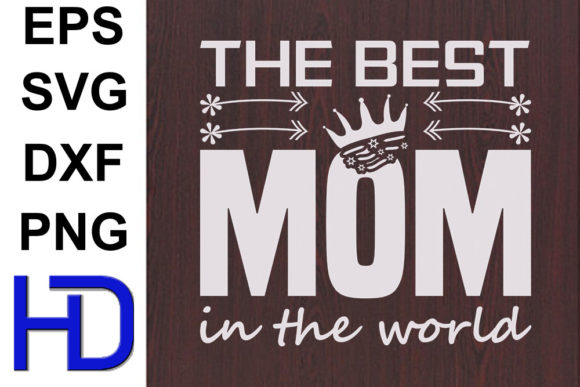
Upon opening the ZIP file containing EPS, SVG, PNG, and DXF formats, the immediate strength of this design lies in its typographic balance. The phrase "THE BEST MOM IN THE WORLD" is a classic sentiment, but execution varies wildly across the marketplace. This particular layout avoids the cluttered aesthetic that often plagues novelty graphics. The visual weight is distributed evenly, which is crucial for machine embroidery design. When digitizing text-heavy pieces, uneven spacing can lead to puckering or registration issues during stitching. This design appears optimized for clean transitions between lettering styles, suggesting it will digitize well into satin stitch columns rather than requiring excessive fill stitch areas that add unwanted bulk.
The mood is celebratory yet legible. From a graphics perspective, the lines are crisp, indicating that the vector nodes are clean. For those using the DXF or EPS files for vinyl cutting alongside embroidery, this cleanliness ensures smooth blade paths. However, as an embroidery specialist, I am looking at the negative space. Adequate spacing between letters prevents thread buildup, a common failure point in dense text designs intended for custom apparel.
Real-World Application: The Sweatshirt Test
To truly evaluate this design, we must move beyond the mockup. In a recent project preparing inventory for a Mother’s Day boutique collection, I tested this design on a heavyweight cotton-blend sweatshirt. This is a high-stakes application because fleece fabrics are unforgiving; they can swallow fine details and distort under tension.
For this sweatshirt embroidery project, the design performed exceptionally well when paired with a cutaway stabilizer. The bold nature of the lettering allowed for sufficient stitch density to anchor into the fabric texture without sinking. A thinner, more ornate script might have disappeared into the fleece nap, but the robust structure of "BEST MOM IN THE WORL" maintained clarity. This makes it an ideal candidate for holiday embroidery collections or personalized gifts where readability from a distance is key. Customers responding to social media previews were able to read the message instantly in photos, which directly correlates to higher engagement and sales conversion for small shop products.
Critical Considerations for Fabric and Hoop Size
While versatile, this design requires strategic placement. Not all substrates are created equal. If you plan to use this for baby embroidery on delicate onesies, caution is necessary. The stitch count required to render bold block lettering can create a stiff area that may be uncomfortable against infant skin. In such cases, I recommend testing a reduced size or opting for a running stitch outline version if your digitizing software allows modification of the provided embroidery file.
Hoop size selection is equally vital. This design has a specific aspect ratio that demands appropriate stabilization margins. Attempting to squeeze this into a 4x4 hoop by shrinking it excessively risks losing the interior counters of letters like 'O', 'B', and 'R'. Conversely, stretching it too large for a cap or curved surface can cause distortion at the edges. For tote bag design applications, the scale works beautifully on canvas, as the natural weave supports heavier thread coverage. Always verify the dimensions in your machine software before committing to a production run.
Commercial Viability for Makers and Sellers
For Etsy sellers and creative entrepreneurs, time is money. A digital embroidery file that requires extensive editing before stitching eats into profit margins. The inclusion of multiple formats (SVG, EPS, PNG, DXF) adds significant value to this product category. The PNG serves as an excellent printable mockup asset for listing photos, while the vector files allow for branding consistency across tags, packaging, and web graphics.
From a business standpoint, this design bridges the gap between personal gifting and commercial merchandise. It is generic enough to appeal to a broad audience but styled distinctly enough to feel like a premium handmade product rather than mass-produced clip art. When listing finished items, emphasize the quality of the stitch-out. High-resolution photos of the actual embroidery, rather than just digital renders, build customer trust. Showcasing the texture demonstrates that you understand fabric behavior and have selected the right stabilizer and thread colors for a professional finish.
Designer Notes for Optimal Results
Before adding this to your permanent library of design assets, adhere to these professional best practices:
- Test Stitch First: Never run a new design directly on a sellable garment. Use scrap fabric of similar weight and texture to check for registration errors or thread breaks.
- Stabilizer Matching: For knits and stretchy fabrics used in custom apparel, always use a fusible cutaway stabilizer to prevent distortion. For woven tea towels or aprons, a tear-away may suffice, but test wash durability first.
- Thread Contrast: This design relies on shape definition. Ensure high contrast between thread and fabric. White thread on cream fabric often fails to photograph well for online listings.
- Licensing Verification: While the ZIP contains versatile file types, always confirm the specific commercial license terms included with your purchase. Verify whether you can sell the finished embroidered patch or apparel, and whether digital redistribution is prohibited.
- Mockup Accuracy: When creating digital product previews, use realistic fabric textures. Flat, pixel-perfect vectors do not represent the tactile reality of embroidery. Honest representation reduces returns and increases buyer satisfaction.
Elevating the Finished Product
Ultimately, the Mom Svg Design, the BEST MOM in the WORL succeeds because it respects the limitations and strengths of the medium. It provides a solid foundation for both hobbyists and commercial embroiderers. Whether you are creating a heartfelt personalized gift for a client or stocking your shop with seasonal bestsellers, this graphic offers the structural integrity needed for professional results.
Remember that the file is merely the blueprint. Your expertise in hooping, stabilizing, and color selection brings the design to life. By treating this digital asset with the same rigor as any physical supply, you ensure that every tote bag, pillow cover, or sweatshirt leaving your studio meets the high standards your customers expect. In the competitive world of crafts and graphics, that attention to detail is what transforms a simple design into a signature product.