Call Your Mom SVG: An Embroidery Designer’s Review
As a professional embroidery designer and product reviewer, I approach every digital asset with a critical eye toward stitchability. When I first opened the Call Your Mom SVG, my immediate assessment was not just about the sentiment, but about its structural integrity as a potential machine embroidery design. While this file is marketed primarily as a vinyl decal cutting file for paper crafting programs like Cricut Explore, experienced makers know that clean vector graphics are often the best foundation for digitizing custom embroidery. The phrase itself carries a specific emotional weight—nostalgic, urgent, and warm—which dictates exactly where this design belongs in a commercial or personal portfolio.
Translating Vector Word Art to Stitch
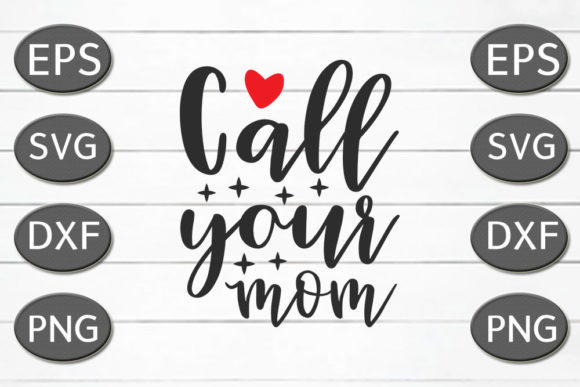
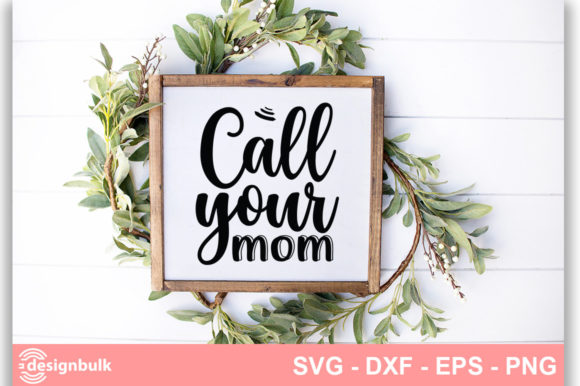
The visual personality of the Call Your Mom SVG suggests a casual, hand-lettered aesthetic. For an embroidery digitizer or a shop owner looking to create custom apparel, this style requires careful translation. Unlike block letters which map easily to satin columns, script-style word art often demands a combination of running stitches and fill stitches to maintain legibility without excessive bulk. When evaluating this graphic for real-world application, I look at the negative space between letters. In vinyl, gaps are fine; in embroidery, they can cause registration issues if the stitch density isn't balanced correctly against the fabric texture.
For a sweatshirt embroidery project, which is currently trending in the handmade market, this design offers excellent versatility. The informal tone pairs perfectly with heavyweight French terry or fleece. However, because sweatshirts have significant stretch, simply importing the SVG into embroidery software without adjustment is risky. I would recommend treating this as a guide for creating an applique design or reinforcing the lettering with additional underlay stitches to prevent puckering. The goal is to ensure the finished product looks intentional and professional, rather than like a direct conversion that ignored the physics of thread and needle.
Real-World Application: The Canvas Tote Test
To truly evaluate the commercial viability of the Call Your Mom SVG, I mentally placed it on a natural canvas tote bag. This is a staple item for any Etsy seller or small shop product line. Canvas provides a stable base, making it forgiving for text-based designs. In this scenario, the design serves as more than just decoration; it acts as a conversation starter. A tote bag design featuring this phrase appeals to adult children, new parents, and caregivers, creating an instant emotional connection with the buyer.
However, practical execution matters. If using this SVG to create an embroidered patch for the tote, the lettering must be bold enough to withstand the reduction in size. Thin, wispy lines from the original vector file might disappear when stitched at 4mm height. I advise digitizers to slightly thicken the strokes during the conversion process. Furthermore, consider the thread colors. White thread on natural canvas offers a subtle, vintage look, while black or navy provides high contrast and readability from a distance. Testing these combinations via a printable mockup before stitching saves time and materials, ensuring the visual hierarchy matches the customer's expectation.
Navigating Fabric Limitations and Hoop Constraints
Not every surface is suitable for the Call Your Mom SVG without modification. As a reviewer, I must highlight where caution is necessary. Textured fabrics like linen or burlap can swallow fine details. If you plan to use this for holiday embroidery on rustic tea towels, you may need to increase the stitch density or add a topping stabilizer to keep the letters crisp. Conversely, lightweight baby clothes require a delicate touch. Using a dense satin stitch version of this design on a onesie could result in a stiff, uncomfortable garment. For baby embroidery, a lighter running stitch or redwork style derived from the SVG is far superior for both safety and comfort.
Hoop size is another critical factor. This phrase is horizontally oriented, which can be challenging for standard 4x4 hoops. You may need to split the design or rearrange the layout vertically to fit smaller machines. Always verify your machine’s maximum field area before purchasing or digitizing. Additionally, curved surfaces like caps present unique difficulties. The horizontal flow of "Call Your Mom" may distort on a curved brim unless arched properly in embroidery software. For cap projects, test the design on a scrap piece of structured foam or buckram first to ensure the baseline remains consistent.
Commercial Value and Brand Consistency
For creative entrepreneurs and craft business owners, the value of the Call Your Mom SVG extends beyond a single sale. It represents a brand voice. Products featuring this sentiment signal warmth and family-oriented values. When integrating this into a boutique collection, consistency is key. Ensure the stitch style matches your other offerings. If your shop specializes in minimalist, single-needle aesthetics, do not suddenly introduce a multi-color, dense fill version of this design. Customers trust brands that deliver a cohesive look across all design assets.
Licensing is the non-negotiable aspect of using this file commercially. Since the product description specifies it is a digital download for cutting machines, you must confirm whether the license permits derivative works like embroidery. Some designers allow physical sales of finished items but prohibit selling the digital embroidery file itself. Always read the terms included in the zipped folder. Respecting intellectual property protects your business reputation and supports the original artist. If the license is unclear, reach out to the creator before listing any personalized gift items for sale.
Essential Pre-Stitch Checklist for Makers
Before committing the Call Your Mom SVG to a final handmade product, run through this practical checklist to avoid costly mistakes:
- Test on Scrap Fabric: Never stitch directly onto a sellable item without a test run. Use fabric scraps that match the weight and weave of your final project to check tension and registration.
- Verify Stabilizer Choice: Match the stabilizer to the fabric. Use cut-away for knits and tear-away for wovens. Improper stabilization is the leading cause of distorted text.
- Check Thread Contrast: View your design in black and white on screen to simulate low-light conditions. If the text blends into the background in grayscale, it will likely fail visually in real life.
- Inspect Small Details: Zoom in to 100% in your embroidery software. Ensure no individual stitch points are shorter than 1mm, which can cause needle breaks or thread shredding.
- Confirm Licensing: Double-check the included documentation regarding commercial use for both physical goods and digital previews.
- Evaluate Washability: If making kitchen towels or baby items, wash the test sample aggressively. Ensure the stitches hold up to repeated laundering without fraying.
The Call Your Mom SVG holds immense potential for makers willing to treat it as a starting point rather than a final solution. Its strength lies in its universal relatability and clean typography, which translates beautifully across various mediums when handled with technical respect. Whether you are creating a heartfelt holiday gift, expanding your Etsy inventory, or designing branded merchandise, success depends on bridging the gap between digital vector art and tangible textile craft. By prioritizing stitch quality, fabric compatibility, and ethical usage, you transform a simple graphic file into a cherished, professional-grade embroidered product that resonates deeply with customers.