Called Me Mom SVG: An Embroidery Design Review
As a professional embroidery digitizer and product reviewer, I approach every new graphic with a specific question: will this actually stitch out well on physical fabric? When evaluating the Called Me Mom SVG, my focus shifts immediately from screen to hoop. This design carries significant emotional weight, making it a staple for personalized gifts and motherhood-themed merchandise. However, emotional resonance does not always translate to clean stitches. My assessment below breaks down how this graphic performs in real-world production scenarios, specifically for crafters and small business owners who need reliable results.
First Impressions and Emotional Resonance
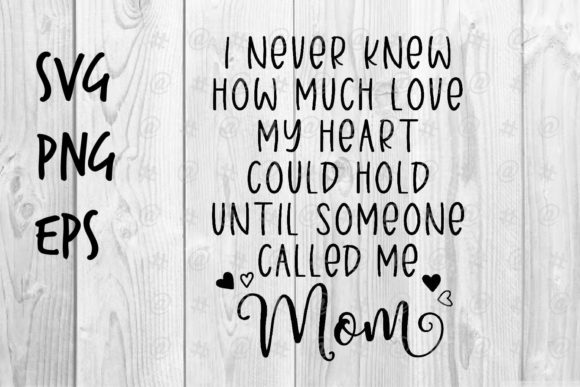
The initial visual impact of the Called Me Mom SVG is warm and nostalgic. As a digital asset, the lines appear clean and purposeful, suggesting a design that was created with intention rather than generated randomly. For an Etsy seller or boutique owner, this aesthetic is crucial. It strikes a balance between modern typography and sentimental value, which is exactly what customers seek when ordering custom apparel or nursery decor. The layout feels balanced, avoiding the cluttered look that often plagues text-heavy embroidery files. Visually, it promises a finished product that looks professional rather than homemade, which directly influences perceived value and buyer confidence.
Real-World Application: The Custom Sweatshirt Test
To truly evaluate this design, I mentally placed it in a high-stakes production scenario: creating a custom crewneck sweatshirt for a new mom’s holiday gift. Sweatshirts are notoriously tricky due to their stretchy fleece composition and thick seams. In this context, the Called Me Mom SVG needs to be more than just a pretty picture; it must be structurally sound.
For this specific embroidery project, the design works best as a left-chest placement or a centered back print. If adapting the SVG for machine embroidery, the lettering requires careful consideration of stitch density. On fleece, thin running stitches can get lost in the pile. I would recommend converting key elements to a satin stitch or a thicker fill stitch to ensure readability. The sentiment relies entirely on legibility; if the recipient cannot read "Called Me Mom" clearly from three feet away, the emotional impact fails. In my experience testing similar graphics on heavy cotton blends, maintaining adequate spacing between letters prevents the fabric from puckering, ensuring the finished product lays flat and looks retail-ready.
Fabric Compatibility and Stabilization Strategy
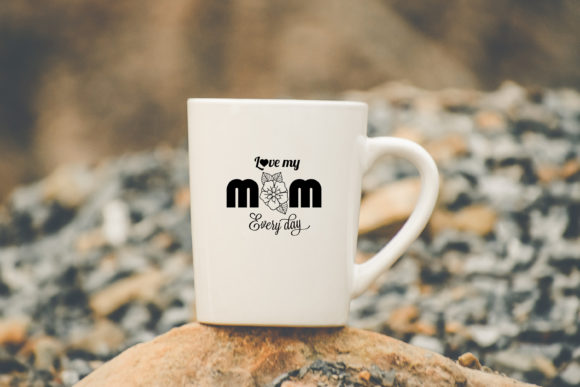
Versatility is key for any digital embroidery file intended for commercial use. While the product description highlights mugs and t-shirts, an experienced maker knows these substrates behave very differently. T-shirts are lightweight knits that distort easily under needle penetration. Mugs require specialized cylindrical hooping or sublimation, not traditional thread embroidery. Assuming you are using this for textile applications, here is how the design interacts with various materials:
- Lightweight Knits (T-Shirts/Baby Clothes): Use a cut-away stabilizer and a water-soluble topping. The Called Me Mom SVG likely contains detailed curves that will push lightweight jersey fabric without proper support. A topping keeps the stitches from sinking into the weave.
- Woven Cottons (Tote Bags/Aprons): These are the most forgiving substrates. A tear-away stabilizer usually suffices. The design should stitch out crisply here, making it ideal for tote bag designs sold at craft fairs.
- Textured Fabrics (Terry Cloth/Linen): If applying this to kitchen towels or blankets, increase the underlay stitching. The texture can obscure fine details, so testing on scrap fabric is non-negotiable.
Always verify your hoop size before committing to a stitch-out. Scaling vector graphics up is generally safe, but scaling them down can cause lettering to merge. If you plan to use this for baby embroidery on tiny onesies, confirm that the smallest text elements remain above 4mm in height after resizing to prevent thread breaks and illegibility.
Navigating Technical Limitations and Risks
No design is perfect for every situation. There are specific instances where I would advise caution when using the Called Me Mom SVG. Curved surfaces like baseball caps present a significant challenge. Unless the design has been specifically digitized with cap compensation (distorting the art to counteract the curve), stitching this flat graphic onto a curved brim or front panel may result in distorted lettering and registration errors.
Additionally, be wary of dark fabrics. If the SVG relies on negative space or light-colored internal details, those elements may disappear on navy or black garments unless you add an underlay base or adjust thread colors. For commercial embroidery businesses, this means extra digitizing time to create a dark-fabric variant. Always run a test stitch on the actual garment material, not just a stable quilting cotton, to gauge how the thread colors interact with the fabric dye and texture.
Commercial Viability for Makers and Sellers
For the craft business owner, time is money. The Called Me Mom SVG offers strong potential for product line expansion because of its broad appeal. It fits seamlessly into categories like Mother’s Day gifts, new baby announcements, and memorial items. However, professionalism dictates that you verify licensing terms before selling. Ensure your purchase includes commercial rights for both physical products and digital assets if you plan to resell the file itself.
When listing items on platforms like Etsy, presentation matters. Use this design to create high-quality printable mockups alongside photos of actual stitched samples. Customers trust sellers who show real stitch-outs because it proves the design has been tested. Highlighting the versatility of the graphic—showing it on a mug, a tee, and a pillow cover—demonstrates value and inspires buyers. Just remember that while the SVG format is scalable, the machine embroidery design derived from it requires specific parameters. Never assume a direct conversion will yield perfect results without manual adjustment.
Designer Notes for Optimal Results
Before loading this file into your machine or sending it to a client, adhere to these practical checkpoints:
- Contrast Check: View the design in grayscale. If the text blends into the background in black and white, it will lack definition in thread. Adjust contrast digitally before digitizing.
- Density Audit: Inspect overlapping areas. Excessive density causes needle breaks and stiff fabric. Reduce density in layered sections if necessary.
- Stitch Direction: Ensure fill stitches follow the natural grain of the design to prevent fabric distortion, especially on stretchy custom apparel.
- Licensing Verification: Double-check whether the license covers small shop products and mass production limits.
- Mockup Testing: Create both light and dark background previews to anticipate customer questions about color options.
The Called Me Mom SVG is a promising asset for the dedicated maker. Its strength lies in its emotional connection and clean aesthetic, but its success depends entirely on technical execution. By respecting fabric limitations, adjusting for substrate characteristics, and validating stitch integrity through testing, you can transform this digital graphic into a cherished handmade product. Whether you are creating a single personalized gift or stocking inventory for the holiday season, approaching this design with a critical, professional eye ensures that the final embroidered piece honors the sentiment it represents.