Home School Mom SVG: An Embroidery Design Review
As a professional embroidery designer and product reviewer, I approach every new digital asset with a critical eye toward stitchability and marketability. When evaluating the Home School Mom Svg Design, my first thought is not just about the aesthetic appeal on a screen, but how those vector lines will translate into thread on fabric. This design captures a specific cultural moment—the humorous, relatable reality of homeschooling mothers—and presents it in a format that demands practical application. For crafters, Etsy sellers, and apparel decorators, this graphic represents more than just a cute saying; it is a potential bestseller for the niche education and parenting market, provided it is executed with technical precision.
First Impressions and Visual Personality
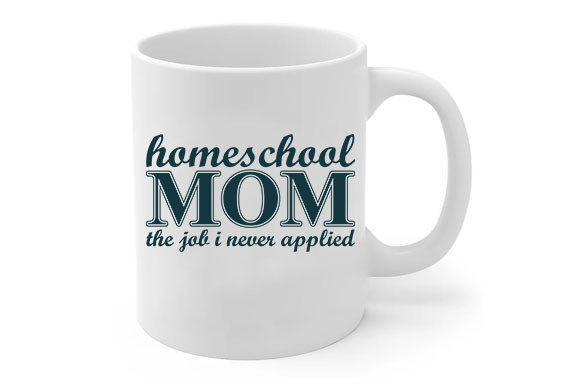
Upon opening the ZIP file containing EPS, SVG, PNG, and DXF formats, the immediate impression of this Homeschool mom the job I never applied artwork is its conversational tone. The typography carries the weight of the message. In the world of Crafts and Graphics, text-heavy designs live or die by their legibility. This design feels balanced, suggesting it was created with end-use in mind rather than being an afterthought. The mood is lighthearted yet validating, which is exactly what resonates with buyers looking for personalized gifts or boutique merchandise. As a designer, I appreciate that the layout appears structured enough to maintain integrity when resized, a crucial factor when adapting a single embroidery file for everything from a baby bib to an adult sweatshirt.
Real-World Application: The Custom Sweatshirt Test
To truly evaluate this machine embroidery design, I mentally placed it onto a real-world project: a custom embroidered crewneck sweatshirt intended for a homeschool co-op meetup. Sweatshirts are a staple for this demographic, offering comfort and community identity. In this scenario, the Home School Mom Svg Design serves as the centerpiece. The phrase "the job I never applied" requires high contrast to be readable from a distance. If I were stitching this today, I would opt for a bold satin stitch for the main text to ensure it pops against fleece or French terry fabric.
For a sweatshirt embroidery project like this, the design’s success hinges on stabilization. Fleece is stretchy and textured, which can distort fine details. I would recommend using a medium-weight cutaway stabilizer to support the stitch density without causing puckering. The humor in the design relies on crisp lettering; if the stitches sink into the fabric pile, the joke gets lost. This real-life application highlights why having multiple file formats is essential. While the SVG is perfect for cutting vinyl as a backup option, the EPS or DXF files are often better starting points for digitizing software to create a robust digital embroidery file specifically tuned for knit fabrics.
Navigating Fabric Challenges and Hoop Sizes
While this design shines on stable knits, it requires careful handling on other substrates. As an experienced reviewer, I must caution against using complex text designs on highly textured fabrics like terry cloth towels or uneven linens without proper modification. The fabric texture can break up running stitches or thin satin columns, making the text difficult to read. If you plan to use this for a tote bag design on canvas, the results will likely be excellent due to the tight weave. However, for baby embroidery on ribbed onesies, you must reduce the design size carefully. Shrinking text too much increases stitch density to dangerous levels, potentially creating a bulletproof patch that is uncomfortable for an infant or prone to needle breaks.
Hoop size selection is another critical variable. This design likely has a horizontal aspect ratio given the length of the phrase. Ensure your hoop accommodates the full width without requiring excessive re-hooping or splitting. For commercial embroidery businesses running multi-needle machines, verify that the design fits within your largest standard hoop to maximize production efficiency. If you are working with curved surfaces like caps, test the design first. Horizontal text phrases can sometimes warp on the curved brim area unless specifically digitized with a curve compensation. Always run a sew-out on scrap material that matches your final finished product to check registration and clarity.
Commercial Viability for Makers and Sellers
For the Etsy seller or small shop product creator, this design offers significant commercial potential because it targets a passionate niche. Homeschool parents love to identify with their lifestyle through apparel and accessories. However, visual appeal directly correlates to customer trust. A poorly stitched version of this design will look amateurish and devalue your brand. To maintain professionalism, pay close attention to thread colors. High-contrast combinations, such as white thread on navy fabric or black thread on cream, perform best for text-based graphics. Avoid low-contrast pairings like grey on heather grey, which may look fine in a printable mockup but fail in physical lighting conditions.
When listing items made with this applique design or standard embroidery, presentation matters. Use the included PNG file to create clean digital previews, but always supplement these with photos of actual stitched samples. Buyers want to see how the Home School Mom Svg Design interacts with real fabric grain. This transparency builds confidence and reduces returns. Furthermore, if you are selling design assets or sublimation prints alongside embroidered goods, ensure your color profiles match across mediums. Consistency between your digital listings and physical handmade products reinforces brand recognition and encourages repeat business.
Essential Technical Notes for Success
Before you load this design into your machine or list it in your shop, adhere to these professional best practices:
- Verify Licensing: Confirm whether your purchase includes commercial rights for selling finished products versus digital files. Never assume unlimited usage.
- Test Stitch Density: Open the file in your embroidery software to inspect density settings. Text should be dense enough to cover fabric but open enough to prevent stiffness.
- Check Small Details: If the design includes decorative elements or punctuation, ensure they are large enough to stitch out clearly. Tiny periods or commas may need to be enlarged or removed for smaller sizes.
- Stabilizer Matching: Pair tear-away stabilizers with woven fabrics and cut-away stabilizers with knits. Using the wrong type is the most common cause of poor registration in text designs.
- Mockup Accuracy: When creating marketing materials, do not rely solely on auto-digitized previews. Adjust your mockups to reflect realistic stitch textures and fabric drape.
- Wash Testing: For items like aprons or kitchen towels that face frequent laundering, test wash durability. Satin stitches may require securing stitches at endpoints to prevent fraying over time.
Final Thoughts on Design Integrity
The Home School Mom Svg Design is a versatile asset that bridges the gap between digital graphics and tangible craftsmanship. Its strength lies in its emotional connection to the target audience, but its success in production depends entirely on the maker's technical diligence. Whether you are creating a holiday gift for a fellow educator, stocking your boutique with relatable mama gear, or expanding your craft business offerings, treat this design with the respect due to any professional tool. By understanding the interplay between vector art, thread physics, and fabric behavior, you transform a simple download into a high-value product that customers will cherish and wear with pride. Always prioritize the quality of the stitch over the speed of production, and let the design’s inherent charm shine through superior execution.