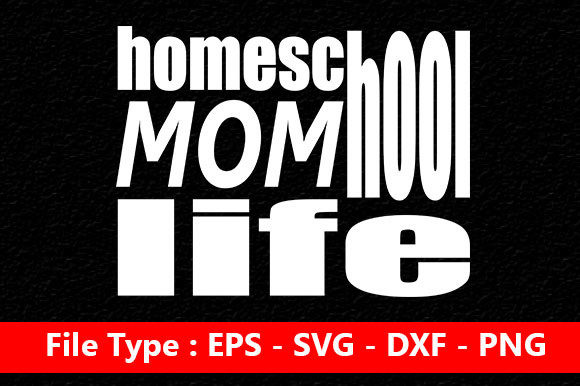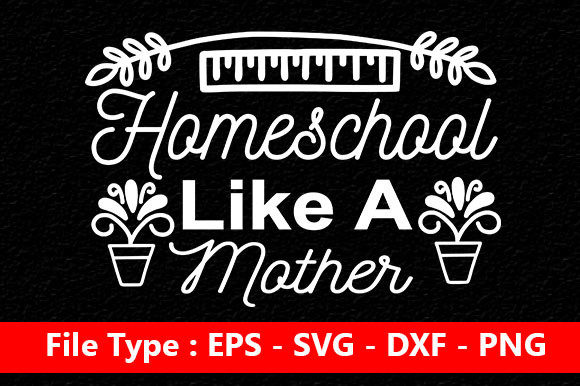
Homeschool Mom SVG Design: A Stitch-Out Review
As a designer who spends as much time behind an embroidery machine as I do in vector software, I approach every new digital asset with a healthy dose of skepticism. When evaluating the Homeschool Mom Svg Design, my first thought isn't just about how cute the graphic looks on a screen; it is about how those lines will translate into thread on fabric. For those of us running a craft business or managing an Etsy shop, the gap between a pristine digital file and a sellable finished product is where profit margins live or die. This review breaks down the practical realities of using this specific design for real-world projects, moving beyond the basic file list to discuss actual stitch performance and marketability.
First Impressions and Visual Personality
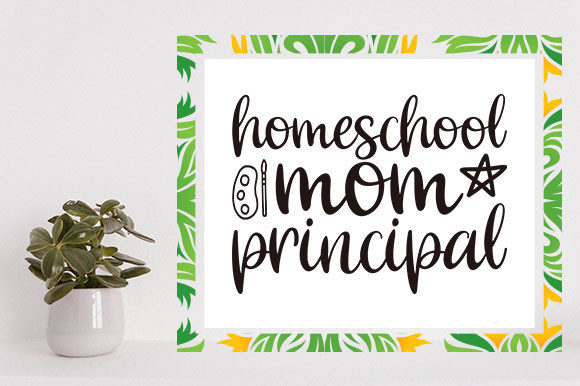
Opening the ZIP file, which includes EPS, SVG, PNG, and DXF formats, gives us immediate versatility. While these are primarily vector graphics intended for cutting machines or sublimation, as an embroidery designer, I see them as high-quality digitizing templates. The aesthetic of this Homeschool Mom Svg Design strikes a balance between professional authority and warm nostalgia. It avoids the chaotic clutter that plagues many education-themed graphics, offering clean lines that suggest it will digitize well without excessive jump stitches.
The mood is confident yet approachable. It doesn't scream "teacher" in a sterile way; instead, it captures the unique multitasking identity of the homeschool parent. For a handmade product, this emotional resonance is critical. Customers aren't just buying a shirt; they are buying validation of their lifestyle. The layout appears balanced, which is essential when converting to a machine embroidery design. Symmetrical or well-weighted designs stabilize better in the hoop and reduce the risk of fabric distortion during high-speed stitching.
Real-World Application: The Custom Sweatshirt Test
To truly judge this asset, I mentally placed it in a current best-seller scenario: the custom crewneck sweatshirt. In my shop, homeschool moms frequently request apparel that feels like boutique merchandise rather than a uniform. I envisioned this design centered on a heather grey French terry sweatshirt.
In this context, the Homeschool Mom Svg Design serves as an excellent candidate for mixed-media application. Because the provided files are vectors, I would recommend using the SVG or EPS file to create a cut vinyl outline or a sublimation background, while digitizing a smaller, complementary icon from the set as an applique design or dense emblem. This hybrid approach reduces stitch count significantly—a crucial factor for sweatshirt embroidery where heavy designs can cause puckering on knit fabrics.
If you choose to fully digitize the entire graphic as a traditional embroidery file, consider the placement. Left-chest positioning works beautifully for this theme, allowing the wearer to display their title proudly without overwhelming the garment. For a tote bag design, however, you have more real estate. The canvas texture of a tote provides a stable foundation for denser fill stitch areas, making this design ideal for library bags or curriculum carryalls. The visual weight of the graphic suggests it would anchor a large center placement on a 15x15 inch tote without looking lost.
Fabric Considerations and Technical Constraints
Not every surface is friendly to detailed graphics. When adapting this Homeschool Mom Svg Design for embroidery, you must respect the relationship between detail level and fabric texture.
- Stretchy Knits: If applying this to baby clothes or lightweight tees, be wary of intricate serif fonts or thin connecting lines. These require a robust stabilizer strategy. A cut-away stabilizer is non-negotiable here to prevent the design from warping after washing.
- Textured Surfaces: On terry cloth towels or fleece blankets, fine details disappear. You may need to simplify the vector art before digitizing, increasing column widths for any satin stitch elements to ensure they don't sink into the pile.
- Curved Items: Caps are tricky. Unless the design has been specifically arched or simplified for a curved surface, avoid placing complex rectangular layouts on hats. Stick to the central icons or text-only variations for headwear.
- Dark Fabrics: Always test thread colors against dark backgrounds. White thread on navy is classic, but if the design relies on subtle shading or gradient-like color changes, those nuances will be lost. High contrast is key for readability.
I strongly advise against using highly detailed versions of this graphic on small hoop sizes like 4x4. Compressing complex artwork leads to dense stitch piles that can break needles or perforate the fabric. Always confirm your hoop size capabilities before purchasing or digitizing.
Commercial Viability and Customer Trust
For the Etsy seller or small shop owner, this design offers significant commercial potential, provided it is executed with professionalism. Buyers can spot a poorly digitized design instantly. Thread breaks, misaligned outlines, and cardboard-stiff stabilizer residue destroy trust. By treating the Homeschool Mom Svg Design as a premium asset and taking the time to optimize it for embroidery, you elevate your brand above competitors using generic, untested clipart.
This theme also lends itself to seasonal relevance. As a holiday embroidery project, it pairs perfectly with "First Day of School" milestones or end-of-year celebrations. It transitions easily into personalized gift territory by adding a child’s name or grade level beneath the main graphic. Just ensure you verify the licensing terms included in your download. While the ZIP contains versatile file types for digital product creation, you must confirm whether the license permits selling finished embroidered goods versus digital files themselves. Respecting intellectual property is as important as stitch quality in building a sustainable craft business.
Designer Notes for Successful Execution
Before you load this design into your machine for a client order, run through this practical checklist derived from years of production experience:
- Create Printable Mockups: Use the included PNG files to create realistic digital previews for your listings. This helps customers visualize the final result and reduces custom order anxiety.
- Test Stitch on Scrap: Never assume default settings work. Test the stitch density on a scrap of the exact fabric you intend to use. Adjust pull compensation if letters are shrinking or gaps are appearing.
- Check Small Details: Inspect any text under 0.2 inches. If the vector lines are thinner than a standard needle width, they cannot be stitched reliably. Modify the art to thicken these elements or remove them entirely.
- Evaluate Washability: Homeschool gear gets washed frequently. Ensure your running stitch underlay is sufficient to anchor the design permanently. A beautiful patch that peels after three wash cycles is a failed product.
- Verify File Compatibility: While EPS and DXF are industry standards for digitizing software, ensure your specific embroidery machine or software can import these vectors cleanly for tracing. If not, utilize the PNG as a backdrop template.
The Homeschool Mom Svg Design is more than just a collection of digital shapes; it is a representation of a dedicated community. Whether you are creating a custom apparel line, an embroidered patch for a co-op, or a sentimental keepsake, success lies in respecting the technical limitations of thread while honoring the heart of the message. Take the time to test, adjust, and refine. Your customers will feel the difference in every stitch, and your business will reflect that same dedication to quality.