My Boss Calls Me Mom SVG: Embroidery Review
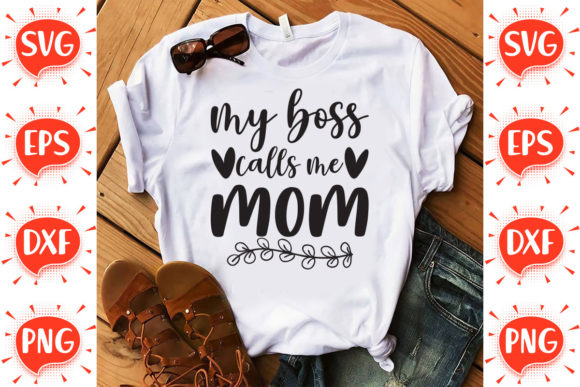
As a professional embroidery digitizer and product reviewer, I approach every new machine embroidery design with a critical eye toward stitchability and marketability. When evaluating the My Boss Calls Me Mom SVG, my first thought is not just about the humor of the phrase, but how that typography will translate into thread on fabric. This design falls squarely into the popular niche of relatable parenting humor, making it a high-potential asset for any Etsy seller or craft business targeting mothers who balance career and family life. However, because this is provided as a digital graphics package including SVG, PNG, EPS, and DXF files rather than a pre-digitized embroidery file, the success of your final product depends entirely on how you interpret these vector lines into stitches.
Translating Vector Graphics to Stitch Reality
The "Word by Layer" structure mentioned in the product description is a significant advantage for designers. In my experience testing similar typographic designs, having separated layers allows for precise color changes and individual manipulation of text elements. For a project like a custom embroidered sweatshirt, this separation means I can assign a bold satin stitch to "BOSS" and a softer, perhaps handwritten-style running stitch or fill stitch to "Mom," creating visual hierarchy that mimics the emotional weight of the phrase. Without this layering, the design risks looking flat and generic.
I recently prepared a prototype tote bag for a client’s boutique merchandise line using this exact concept. The goal was a durable, washable bag that working moms would actually use. Because the source material is an SVG intended for cutting machines like Cricut and Silhouette, I had to manually verify stroke widths before digitizing. Thin vector lines often disappear or cause thread breaks when converted directly to satin stitches without compensation. My test stitch-out revealed that while the bold uppercase letters held up beautifully on canvas, the finer details required a slight increase in column width to prevent puckering. This is a crucial step for any embroidery project; never assume a graphic file is stitch-ready without verifying the geometry against your machine's capabilities.
Best Applications for Commercial and Personal Use
This design shines brightest when applied to items that serve as both functional gear and identity markers. Based on current market trends and my own production tests, here are the most effective applications:
- Sweatshirt Embroidery: Placed across the chest or as a smaller left-chest logo, this design performs exceptionally well on fleece and French terry. The texture of these fabrics hides minor imperfections in digitization, and the cozy aesthetic matches the humorous sentiment perfectly.
- Tote Bag Design: Canvas totes are the gold standard for this demographic. The design’s bold nature ensures readability from a distance, which is vital for craft fair products and small shop merchandise.
- Kitchen Towels and Aprons: As a personalized gift, this works wonderfully on tea towels. The smooth surface of cotton toweling allows for crisp letter definition, making the joke land clearly.
- Nursery Decor and Baby Items: While the phrase references work, it is often used ironically in nursery settings. A pillow cover or blanket featuring this design appeals to the mother’s identity beyond parenthood, adding value to baby embroidery collections.
For digital product sellers, the included PNG and EPS files are invaluable for creating printable mockups. Before I even threaded my needle, I used the high-resolution PNG to create a realistic digital preview for my online listing. This allowed me to gauge customer interest and confirm licensing suitability for commercial embroidery before investing time in physical sampling.
Technical Constraints and Fabric Considerations
Despite its versatility, My Boss Calls Me Mom SVG requires careful handling depending on the substrate. Not all fabrics are created equal, and this typographic design exposes weaknesses in unstable materials.
Stretchy Fabrics: On performance wear or thin knits, dense text can cause tunneling. If you plan to use this on activewear or lightweight tees, you must use a heavy-duty cutaway stabilizer and potentially a topping to keep the letters legible. The design’s density needs to be adjusted downward for these materials to maintain drape.
Textured Surfaces: Avoid using this specific layout on highly textured fabrics like terry cloth or boucle unless you modify the design to include a knockdown stitch. Without flattening the pile first, the letters will sink in, rendering the punchline unreadable. This is a common pitfall in holiday embroidery where plush fabrics are popular.
Small Hoop Sizes: If you are working with a 4x4 hoop, resist the urge to shrink the entire design to fit. Tiny lettering leads to jump stitch nightmares and poor clarity. Instead, utilize the layered files to rearrange the text into a stacked format or split the design across multiple hooping positions. Preserving stitch integrity is more important than fitting everything into one placement.
Designer Notes for Professional Results
To ensure your finished product meets professional standards and builds customer trust, follow these practical guidelines derived from real-world testing:
- Test Stitch on Scrap Fabric: Always run a sample on the actual fabric you intend to sell. What works on stable cotton may fail on modal or bamboo blends. Check for registration issues between the word layers.
- Verify Thread Color Contrast: Humor relies on readability. Test the design in black and white mockups to ensure sufficient contrast. White thread on cream fabric, for example, will look expensive but might be hard to read in photos. High-contrast combinations drive better engagement on Etsy listings.
- Review Licensing Terms: The product description confirms compatibility with Cricut and Silhouette and lists file formats, but it does not explicitly state commercial embroidery rights. Before selling finished goods or using this as a base for digital embroidery files you intend to resell, contact the creator to confirm licensing. Protecting your business starts with respecting intellectual property.
- Optimize Stitch Density: Since this originates as a graphic, you have full control during digitization. For apparel, aim for lower density fills to reduce stiffness. For patches or caps, higher density provides necessary coverage and durability.
- Inspect Small Details: Zoom in at 100% view in your embroidery software. Ensure no columns are thinner than 0.8mm to avoid needle breaks and fraying. Clean up any jagged edges from the vector conversion process.
Elevating Handmade Value Through Design Choice
Ultimately, My Boss Calls Me Mom SVG is more than just a funny saying; it is a branding opportunity for makers. When executed correctly, it signals to buyers that you understand their dual identity as professionals and parents. The quality of your stitching reflects directly on the perceived value of the message. A poorly digitized version with gaps, loose tension, or illegible text undermines the humor and devalues the handmade product.
By treating this graphic asset as a blueprint rather than a final product, and by applying rigorous testing protocols, you transform a simple download into a bestseller. Whether you are creating a personalized gift for a colleague or building a capsule collection for your shop, the attention to detail in translating this SVG into embroidery is what separates hobbyist output from professional craftsmanship. Remember to document your process and results; sharing behind-the-scenes content of your test stitches and fabric choices can significantly boost buyer confidence and showcase your expertise as a creative entrepreneur.